Beyond the Steering Wheel: How AI is Reshaping Nigerian Transport
When we think of AI in transport, our minds often jump to self-driving cars. While that's part of the future, Artificial Intelligence is already having a profound, practical impact on transportation in Nigeria today, in ways that are more immediate and accessible.
1. Intelligent Traffic and Route Management
For anyone who has been stuck in traffic on the Third Mainland Bridge or the Abuja-Keffi expressway, this is a game-changer. AI-powered navigation apps like Google Maps and Waze don't just show a static map. They analyze real-time data from thousands of users to:
- Predict traffic flow and suggest the fastest routes.
- Dynamically re-route you when an accident or major gridlock is detected ahead.
- Estimate travel times with increasing accuracy, helping with daily planning.
This is a form of collective intelligence that helps individual drivers make smarter decisions to save time and fuel.
2. Personalized Driver Education and Safety
This is where platforms like Roadification come in. Instead of generic advice, AI can provide tailored safety tips based on specific contexts. By analyzing user input about their experience level, vehicle type, and the exact driving scenario (e.g., "driving a manual car in the rain in Onitsha"), AI can generate relevant, actionable advice. It's like having a driving instructor in your pocket, ready to offer guidance for the unique challenges you face.
3. Enhancing Vehicle Safety Features
Modern cars are increasingly equipped with Advanced Driver-Assistance Systems (ADAS), which are powered by AI. While not yet standard in all vehicles in Nigeria, they are becoming more common. These include:
- Automatic Emergency Braking (AEB): AI algorithms use cameras and sensors to detect a potential collision and can apply the brakes automatically if the driver doesn't react.
- Lane Keeping Assist: The system can recognize lane markings and gently steer the car back into its lane if it begins to drift.
- Blind Spot Monitoring: Alerts the driver to vehicles they might not see in their mirrors.
4. The Future: Logistics, Public Transit, and Beyond
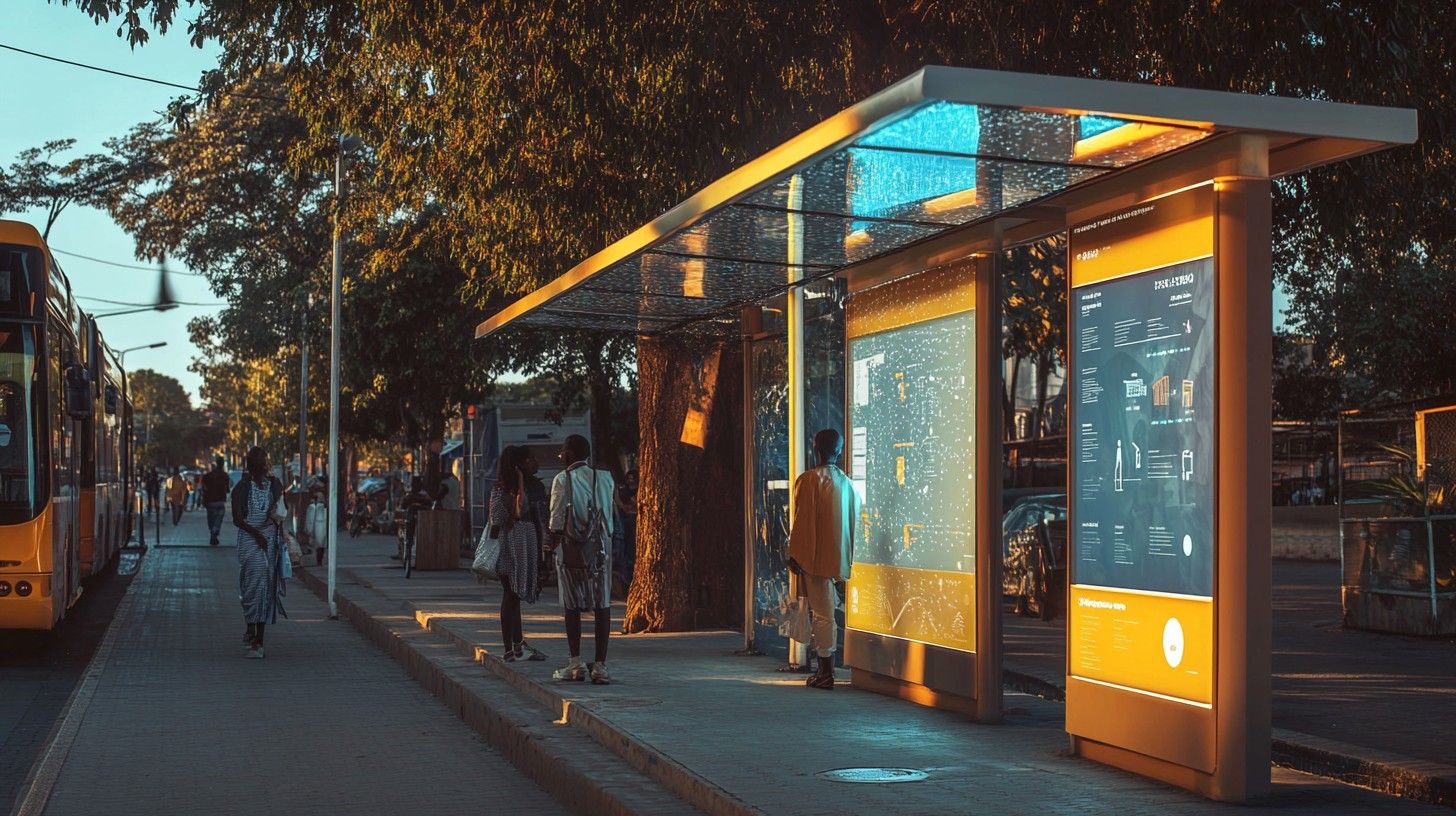
AI's role extends beyond personal cars. In logistics, companies use AI to optimize delivery routes for trucks, reducing costs and delivery times. In public transport, AI can be used to analyze commuter patterns and optimize bus schedules and routes for better efficiency.
The integration of AI into Nigerian transport is not a distant dream; it's a present-day reality that is making our journeys safer and our systems smarter. As technology becomes more accessible, we can expect even more innovative solutions that address our unique transportation challenges.